
By using this site, you agree to the Privacy Policy and Terms of Use.
Accept
mynextjob.lkmynextjob.lkmynextjob.lk
  • Home
  • Career Guidance
  • Human Resources
  • Business Strategy
  • Leadership
  • Job Seeking
  • Knowledge Base
  • Contact
Notification Show More
Font ResizerAa
mynextjob.lkmynextjob.lk
Font ResizerAa
  • Home
  • Career Guidance
  • Human Resources
  • Business Strategy
  • Leadership
  • Job Seeking
  • Knowledge Base
  • Contact
Follow US
mynextjob.lk > Blog > Business and Finance > Marine Engineering and Skilled Trades: Lucrative Careers Overlooked by Graduates
Business and FinanceCareer GuidanceHuman ResourcesJob SeekingUncategorized

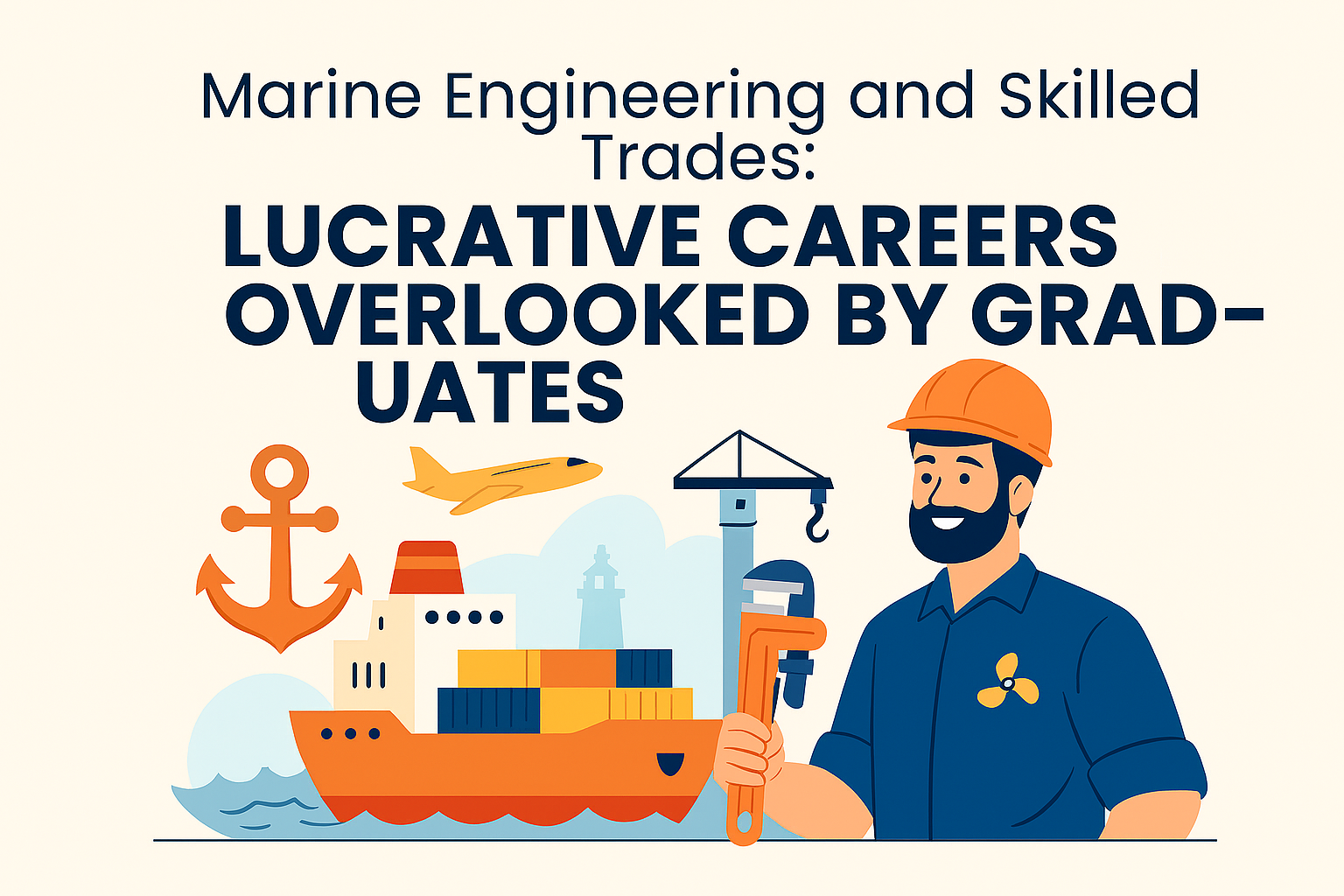
Marine Engineering and Skilled Trades: Lucrative Careers Overlooked by Graduates

mynextjob.lk
Last updated: September 29, 2025 3:31 pm
By mynextjob.lk
Share
4 Min Read
Marine Engineering and Skilled Trades
SHARE

In Sri Lanka’s competitive job market, there’s a prevailing societal pressure to obtain a university degree, often overlooking vocational paths. Yet, a crucial paradox exists: some of the most stable, globally in-demand, and highest-paid jobs do not require a traditional university education. These careers—found in Marine Engineering, Logistics, and specialized technical trades—represent lucrative opportunities for those who embrace practical skill development.

Contents
  • 1. The Gold Standard: High-Paying Marine Careers (Seafaring)
  • 2. In-Demand Skilled Trades on Land
  • 3. Overcoming the Stigma: The Smart Career Decision

It’s time to challenge the stigma and recognize the immense earning potential of skilled trades jobs Sri Lanka and global commerce depend on.


1. The Gold Standard: High-Paying Marine Careers (Seafaring)

Seafaring is arguably the fastest track to a high, foreign currency-pegged income for young Sri Lankan professionals. These jobs are essential for global trade, and the pay reflects that global demand.

  • Chief Engineer / Master: Highest ranks can earn over LKR 1,500,000+ (paid in USD). This requires advanced sea time and certifications (Class 1 CoC).
  • Third / Fourth Engineer: Entry-level officer salaries start strong, typically around LKR 650,000 – LKR 950,000+, achieved after 1-2 years of sea time as a cadet and passing exams.
  • The Path: Training is rigorous and focused, offered by institutions like CINEC Campus or Mercmarine, providing internationally recognized STCW (Standards of Training, Certification and Watchkeeping) certifications.

2. In-Demand Skilled Trades on Land

The infrastructure, manufacturing, and maintenance sectors in Sri Lanka are constantly struggling with a shortage of highly qualified technicians. Investing in these specialized skills guarantees employment and rapid salary growth.

  • Certified Welder (TIG/MIG): Essential for the construction, shipping, and manufacturing sectors. High-level certification allows for specialist work (e.g., pipe welding) that commands a premium.
  • Automobile Electrical Technician: Modern vehicles rely heavily on complex electronics. Technicians who can diagnose computer and sensor faults are urgently needed and earn significantly more than general mechanics.
  • Industrial Electrician: Install and maintain power systems in factories and commercial buildings. Certification is required for safety and compliance, making this role recession-proof.
  • HVAC & Refrigeration Mechanic: Crucial for the tourism and export industries (cold storage). Highly specialized and technical work with low competition at the expert level.

3. Overcoming the Stigma: The Smart Career Decision

The biggest obstacle to pursuing skilled trades jobs Sri Lanka offers is social stigma. Here is the reality:

  • Financial Advantage: While a university degree takes 3-4 years (often leading to student debt), a skilled trade certification takes 6-18 months of intensive training, allowing you to start earning a significant income much sooner.
  • Global Mobility: Certifications like the National Vocational Qualification (NVQ) are increasingly recognized globally, offering pathways to lucrative foreign employment, especially in the Middle East and East Asia.
  • Job Security: Skilled trades are “recession-proof”—you cannot outsource a plumber, an industrial electrician, or a ship engineer.

Embracing vocational training is a decision based on logic and financial foresight. By choosing an in-demand skilled trades path and obtaining official certification (from bodies like NAITA or TVEC), you position yourself for a fast-track to high income and guaranteed employment, both at home and abroad.

The video below discusses high-paying jobs that do not require a traditional degree, including roles in skilled trades, which are very relevant to this discussion.

Top 10 High-Paying Jobs in Sri Lanka Without a Degree by 2030

Unlocking High-Paid Careers in E-commerce Logistics and Supply Chain Automation
Unraveling Opportunity: High-Value Job Opportunities in Sri Lanka’s Apparel Industry
The Gold Rush: A Guide to IT Jobs and the Tech Industry in Sri Lanka
The Next Wave: High-Value Jobs and Opportunities in Sri Lanka’s Tourism Sector
The Rise of Green Jobs: Essential Skills for a Sustainable Career in Sri Lanka
TAGGED:high paying trade jobsmarine engineerMarine Engineer salarymarine engineeringmarine engineering pathwaySkilled trades jobs Sri LankaTVET careers Sri Lankavocational training stigma
Share This Article
Facebook Copy Link Print
2 Comments 2 Comments
  • Pingback: Corporate Finance vs. Accounting: Choosing the High-Growth Path for Sri Lankan Graduates - mynextjob.lk
  • Pingback: The Fast Track to Leadership: Why Project Management Certifications are Your Fastest Promotion Track - mynextjob.lk

Leave a Reply Cancel reply

Your email address will not be published. Required fields are marked *

Get Started
How to Write a Winning CV for the Sri Lankan Market: The Insider’s Guide to Beating the ATS and Getting Noticed

Your Curriculum Vitae (CV) is the single most important document in your…

Acing Your First Job Interview: Essential Tips to Impress Sri Lankan Recruiters

Your first job interview is the moment your academic qualifications meet real-world…

The Mentor Advantage: Why a Strategic Guide is Crucial for Career Success in Sri Lanka

In the path to professional excellence, you need more than just ambition;…

You Might Also Like

LinkedIn job search
Career GuidanceEducationHuman ResourcesInterviewJob SeekingRecruitment

How to Hack the Algorithm: Leveraging LinkedIn to Find High-Value Jobs in Sri Lanka

By mynextjob.lk
banking jobs Sri Lanka
Career GuidanceBusiness and FinanceBusiness and TechnologyHuman ResourcesInterviewJob Seeking

Beyond the Counter: High-Growth Careers in Sri Lanka’s Digital Banking Sector

By mynextjob.lk
Careers in logistics and supply chain management
High-Paid CareersBusiness and FinanceBusiness ManagementBusiness StrategyHuman Resources

Unlocking High-Paid Careers in Logistics and Supply Chain Management: Your Map to Earning Big in Global Trade

By mynextjob.lk
high value portfolio
Career GuidanceJob Seeking

How to Build a High-Value Portfolio for Tech and Creative Jobs: Case Studies That Get You Hired

By mynextjob.lk
MyNextJob.lk
Facebook Twitter Pinterest Youtube Instagram
About Us
  • PRIVACY POLICY
  • TERMS AND CONDITIONS
  • CONTACT US

Sign Up For Free

Subscribe to our newsletter and don't miss out on our programs, webinars and trainings.

Join Community
(c)2025 mynextjob.lk | All Rights Reserved
Go to mobile version
Welcome Back!

Sign in to your account

Username or Email Address
Password

Lost your password?

Not a member? Sign Up